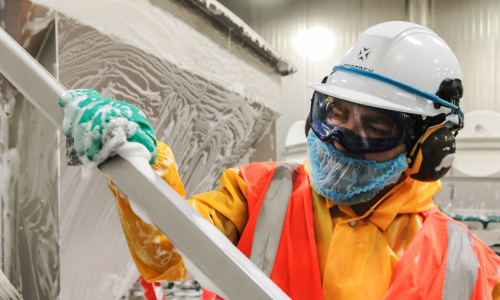
Did you know that over 70% of recalls are due to presence of foreign objects, allergen issues, and bacterial contamination? At Fortrex we collaborate with our customers to minimize the risks of potential recalls by utilizing our food safety expertise to identify hazards and implement controls to eliminate them. A strong culture of food safety is the foundation that makes these controls effective. When every employee understands not just what to do, but why it matters, food protection becomes a shared responsibility rather than a checklist.
The Costs of Recalls
Food recall costs can come from numerous sources, but the costliest is brand damage. After a recall consumer confidence could take decades to get back, if ever, and Fortrex applies our food safety expertise to support our customers in eliminating risk so consumers can eat without fear. While Fortrex implements protocols to control foreign object contamination and cleaning processes that address allergen and bacterial contamination, even the strongest protocols rely on people. A strong food safety culture ensures that procedures are followed consistently, risks are identified early, and everyone remains committed to protecting the product, the brand, and the consumer.
Legacy Facilities and Hygienic Design and Restoration
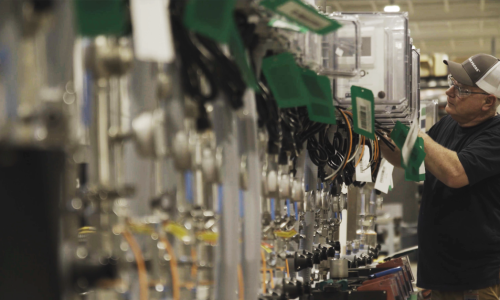
Taking food safety culture a step further means looking beyond the typical scope of contamination protocols and cleaning processes and addressing the entire facility. The average age of a food manufacturing facility in North America is 53 years, and hygienic design of the equipment and environment in legacy facilities have become a huge focus due to the nature of recent recalls. The Fortrex Food Safety team provides insight into hygienically designed environments and equipment by working with our customers to identify potential risks and options to eliminate them.
Key Risks in Legacy Facilities:
- Cleanability – equipment must be cleanable to a microbial level.
- All surfaces (both food contact and non-food contact) must be accessible and easily broken down to clean.
- Material Selection – all material used needs to be smooth, durable, impervious, and resistant to corrosion.
- Stainless steel and food grade plastics are preferred materials to use.
- Accessibility – all surfaces must be available to clean at a set frequency to ensure residue and biofilms are removed and not a risk.
- It’s critical to establish a full breakdown of equipment based on microbial data.
- Hollow Areas – hollow areas allow for harborage for residue and microbes.
- All equipment must be hermetically sealed to avoid an area for liquid/debris to accumulate and become a contamination source.
Partner with Food Safety Experts
The hygienic design reviews the Fortrex Food Safety team conducts supports our customers as hygienic restoration becomes critical for preventing contamination, reducing the risk of foodborne illness, and providing safe food for all. When combined with a strong food safety culture, these design improvements create an environment where safe practices are the norm, risks are minimized, and food safety becomes an integral part of daily
Learn more about how you can optimize chemical use, protect your brand, and lower your total costs with smarter sanitation and intervention solutions from Fortrex.