
Why Smart Pet Food Manufacturers Are Rethinking Sanitation
Pet food sanitation services providers help pet food producers lower cost and reduce risk.
Blog
By Terry Ketterer, Sr Director of Operational Excellence, Fortrex
Whether it’s a failed swab, a hold-and-release delay, or a full shutdown for re-cleaning, the root cause is often lurking in sanitation gaps, not in equipment failure.
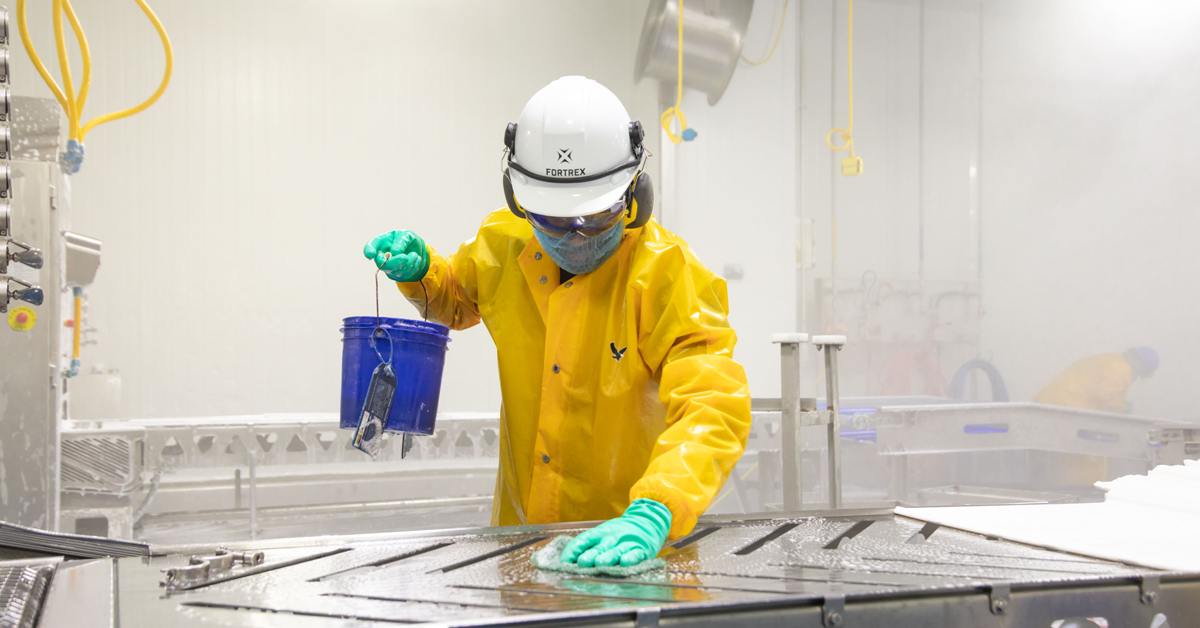
In poultry, pork, and beef processing, downtime is expensive. Every minute that equipment isn’t running, the cost per pound goes up, throughput drops, and margins take a hit. While it’s easy to point the finger at mechanical issues, a less visible—but equally damaging—culprit is often to blame: microbial contamination.
At Fortrex, we work closely with protein processors to uncover hidden drivers of cost. Again and again, we see that microbial issues like Salmonella, Listeria, and E. coli result in more unplanned downtime than most plants realize. Whether it’s a failed swab, a hold-and-release delay, or a full shutdown for re-cleaning, the root cause is often lurking in sanitation gaps, not in equipment failure.
Microbial downtime doesn’t just happen during a food safety event. It starts earlier—with inconsistent cleaning, overlooked zones, or chemical misapplication—and ends with wasted labor, missed production targets, and compliance risks. That’s why optimized sanitation is one of the most powerful levers processors can pull to lower total cost and increase uptime.
Partnering with Safe Foods and Fortrex delivers integrated programs that combine expert consulting, sanitation process design, and chemical solutions tailored to the unique challenges of meat and poultry. The result? Less downtime, more predictability, and a lower total cost of operations.
As you plan for 2026, remember: solving microbial downtime isn’t just a food safety win, it’s a business win.
Learn more about how you can optimize chemical use, minimize downtime, and lower your total costs with smarter sanitation and intervention solutions from Fortrex.
Pet food sanitation services providers help pet food producers lower cost and reduce risk.

Fortrex’s food safety experts are here to help your team move from reactive to resilient. Whether you are looking to close gaps, strengthen your sanitation program, or get ahead of your next audit, we bring the experience and insight to help you protect your products, your people, and your reputation.
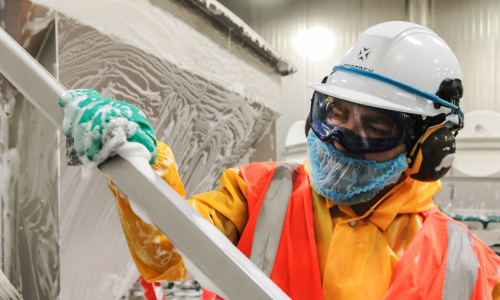
For over 50 years, Fortrex has prioritized delivering on time and without disruption. That starts with understanding the sanitation process, investing in training, and continuously improving how work gets done.